
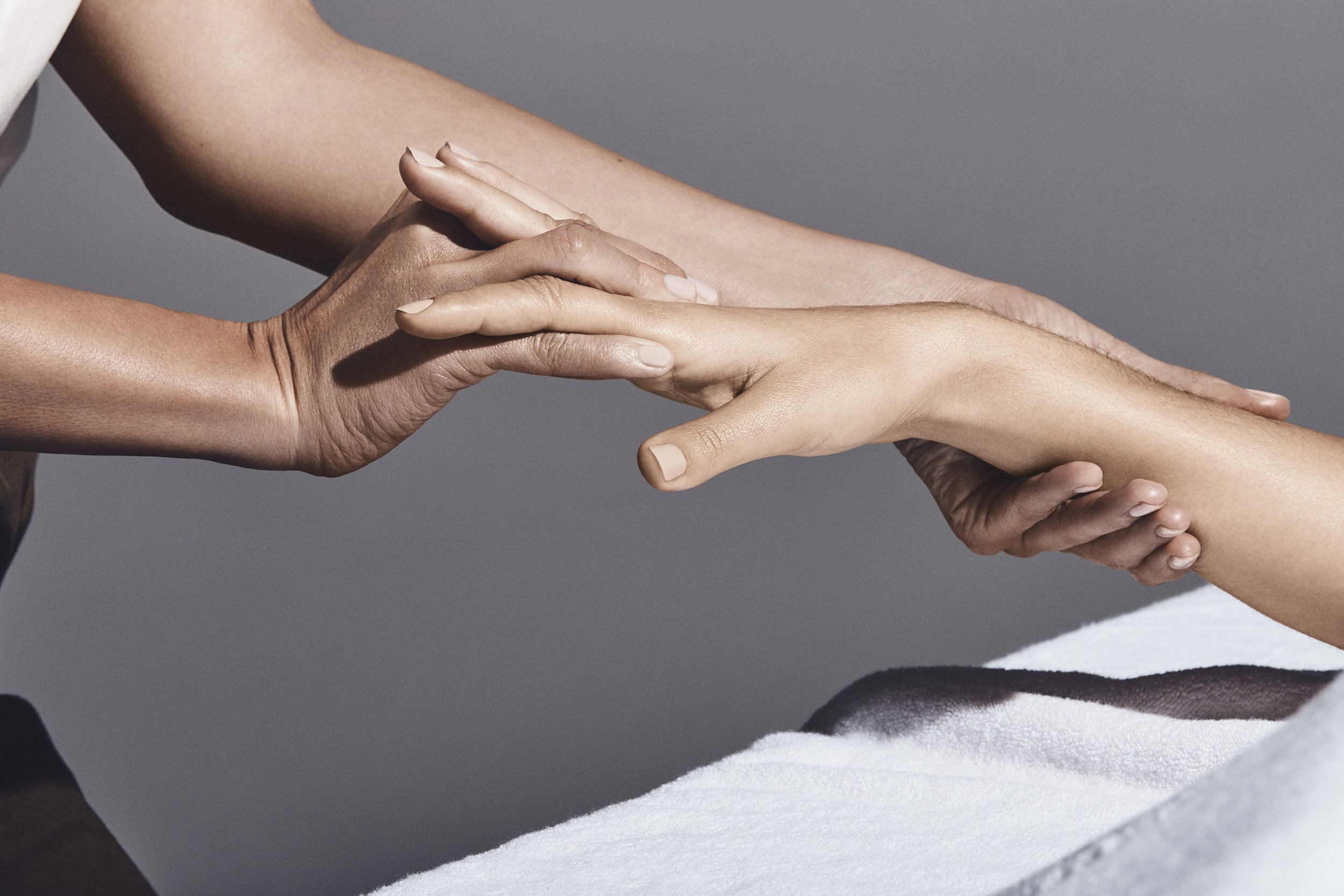
Private bodywork and movement therapy for lasting relief, optimal alignment, and deeper mind-body connection.
Supporting dancers, athletes, and those with chronic pain or stress to build resilience and feel at ease in their bodies.
F.A.Q.
*
F.A.Q. *
-
While the term osteopathy has different meanings in different countries, the basis of osteopathic medicine is a holistic approach that views the human body as a complex, interconnected system and seeks to understand the relationship between the body's structure and its function. Osteopathic practitioners believe that the body's structure and function are intimately linked. They assess the whole organism, including organs, to identify any dysfunctions that may contribute to health issues.
Osteopathic medicine recognizes the body's natural tendency to heal itself when properly supported. Practitioners aim to facilitate and enhance the body's inherent ability to recover from illness and injury.
-
Whether you want to alleviate pain, move easier, or prevent illness there is always a benefit to manual therapy. Osteopathic bodywork helps identify and release underlying restrictions—restoring movement, circulation, and a lasting sense of wellbeing.
Some Reasons for Care:
Allergies
Athletic Performance
Autoimmune (In Remission)
Chronic Inflammation
Chronic Pain & Injury
Chronic Stress
Gut/Bowel Issues
Injury Prevention
Poor Postural Habits
Post-Infection
Post-Surgery
Post-Trauma
Pregnant & Post-Partum
Preventive/Longetivity
Scoliosis
Stage Performance
-
Lasting relief from chronic pain
Nervous system regulation & stress reduction
Optimized posture
Unencumbered movement
Improved vascular function and lymphatic drainage
Improved physiological function through normalization of pressure & tension within & between organs
Improved cellular & metabolic function
Most clients notice meaningful shifts within the first few sessions, with progress that continues between visits.
-
While I do hold myself to a very high standard of care, the real magic is in listening to the body in front of me. Our bodies can be very clear about where treatment is needed and in what sequence. I “listen” through my assessment techniques, which usually give clear messages about where treatment is needed. Because I am addressing your needs in that way, your nervous system feels safer to let go, and less interventions are needed to get an optimal result. The body can “unwind” and heal itself with the correct prompts. Meaningful results does not always equal total resolution of the issue, as that is based on many factors.
I know that if my treatment cannot spur noticeable change in 3 sessions, than there may be a deeper issue and perhaps a reason to refer you someone who can assess function or structure either with lab/blood tests or imaging.
Some cases are very complex and lasting changes take much more time; however these clients still experience a lot of relief from the first few sessions even if the issue is not resolved.
Additionally I empower all my clients with information and self-management tools to build deeper connection to, and understanding of, their own bodies. Your body has the innate ability to heal itself, but sometimes when overwhelmed an exterior guide is needed.
-
The LTAP® created by Anna Hartman, AT, MS, ATC, CSCS stands for Locator Test Assessment Protocol and is an assessment method using orthopedic tests and incorporating osteopathic principles that “listen” to the body and work with the body’s innate intelligence to determine the area and sequence of treatment. The LTAP® is designed to clearly identify where pain, injury, or dysfunction is coming from leading to the best results, even for the most difficult client cases. The goal is to determine if the body is protecting something in the viscera or nervous system. When the body is protecting these important structures it manifests as limited joint mobility, altered motor control, and pain anywhere in the body.
I am a Certified Provider of the LTAP® and have completed all of the Level 1 training and intend to ascend to Level 2 in the spring!
-
Visceral manipulation (VM) is a manual therapy technique developed by French Osteopath and Physical Therapist John-Pierre Barral that has been taught in the US since 1985 through the Barral Institute. The word viscera refers to the internal organs of the body, such as the liver, stomach, intestines, kidneys etc. More info
-
Yes! If you just want stress-relief and a bit of relaxation and luxury you can book the zen massage service.
-
All massage is bodywork but not all bodywork is massage therapy! Massage is a manual (hands-on) therapy that includes gliding strokes, kneading and friction of the soft tissues, usually with lubricant and using hands fingers and forearms. It is usually broad and general treatment, sometimes with region specific depth. Bodywork encompasses the many manual therapy techniques like visceral manipulation, craniosacral, acupressure, breathwork, cupping, gua sha (scraping), joint mobilizations, muscle energy techniques and assisted stretching.
-
Its up to you and your preference! If you are new to osteopathic body work, I suggest a FULL BODY RESTORE session to get the full experience. What might seem like just a sore neck, cranky hip or foot pain etc could be driven from a deeper source, and it often is. The more specific treatments have more lasting results, so while massage is lovely and also restorative, it is a more general treatment.
Therefore, I recommend MASSAGE as an interim treatment between RESTORE sessions for optimal health and well being. I also recommend regular massage therapy if you are and athlete or dancer to keep tissues hydrated and healthy.
If you want a check in, but massage isn’t for you, or you have been in before but have limited time the REGIONAL RESTORE is a great option.
-
Yes, I offer (local) in-home and virtual sessions for bodywork and Pilates.